


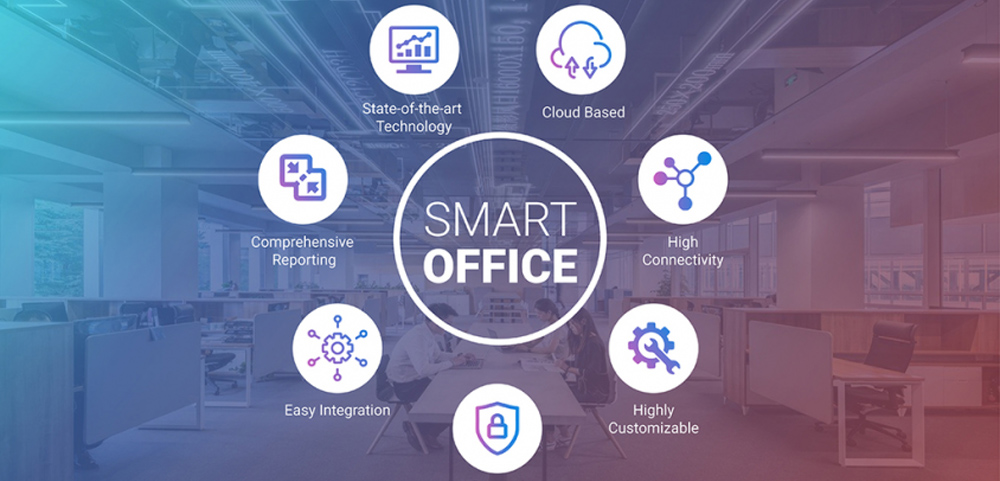
The Automated Office of 2025: Efficiency and Innovation at Work
The year is 2025, and the traditional office has undergone a dramatic transformation. Office automation is no longer a futuristic concept; it’s the backbone of efficient and innovative workplaces. From streamlined workflows to enhanced collaboration, automation is reshaping how we work. Let’s explore what the automated office looks like today.
In 2025, automation in the workplace focuses on optimizing productivity, reducing manual tasks, and fostering a more dynamic and collaborative environment. It's about using technology to handle routine operations, allowing employees to concentrate on strategic tasks and creative problem-solving. The integration of AI, machine learning, and cloud-based platforms has made this shift possible.
Key Trends Driving Office Automation in 2025
Several key trends are defining the landscape of office automation:
- AI-Powered Workflow Management
Artificial intelligence (AI) is at the heart of modern office automation. AI-driven systems manage workflows, automate task assignments, and optimize project timelines. Predictive analytics identify potential bottlenecks, allowing teams to address issues proactively and ensure smoother operations.
- Intelligent Document Processing (IDP)
Handling large volumes of documents is now streamlined through Intelligent Document Processing (IDP). AI and machine learning technologies automatically extract data, categorize documents, and route them to the appropriate departments, minimizing manual data entry and reducing errors. This enables faster processing times and improved accuracy.
- Robotic Process Automation (RPA)
Robotic Process Automation (RPA) handles repetitive, rule-based tasks with efficiency and precision. Software robots automate tasks such as data entry, report generation, and invoice processing, freeing up human workers for more strategic and creative work.
- Smart Communication and Collaboration Tools
Collaboration is key in the automated office, and advanced communication tools are essential. Cloud-based platforms offer real-time communication, shared workspaces, and project management capabilities. AI-powered chatbots assist with routine queries and scheduling, while translation tools bridge language barriers in global teams.
- Enhanced Cybersecurity
As digital workplaces expand, so does the need for robust cybersecurity measures. AI-driven security systems monitor network activity, identify threats, and respond to breaches in real time. Biometric authentication and multi-factor verification add layers of security to protect sensitive company data.
- Data-Driven Decision Making
Office automation in 2025 relies heavily on data analytics. Automated data collection, reporting, and analysis provide real-time insights into key performance indicators, helping managers make informed decisions. Data visualization tools present complex data in easily understandable formats.
Specific Areas of Automation
Automation is transforming various aspects of office work:
- Human Resources (HR)
AI-powered HR systems automate the recruitment process, from candidate screening to onboarding. Chatbots handle routine employee queries, while performance analytics provide insights into employee engagement and productivity.
- Finance and Accounting
Robotic Process Automation (RPA) manages tasks such as invoice processing, expense reporting, and financial reconciliation. AI-driven tools analyze financial data and identify potential risks, enabling more accurate forecasting and budgeting.
- Customer Relationship Management (CRM)
AI-powered CRM systems manage customer interactions, personalize communication, and track customer behavior. Chatbots handle routine customer inquiries, while predictive analytics identify potential sales opportunities. Customer data is managed efficiently, leading to improved customer satisfaction and retention.
Challenges and Considerations in 2025
While office automation offers many benefits, there are also challenges to address:
- Implementation Costs
Implementing advanced automation solutions can be expensive, especially for small and medium-sized businesses. Organizations need to plan carefully and consider the long-term benefits.
- Job Displacement Concerns
Automation may lead to concerns about job displacement. Organizations need to invest in retraining programs to help employees adapt to new roles and responsibilities.
- Integration Complexities
Integrating different automation systems and software can be complex. A strategic approach and a clear understanding of business needs are critical to achieving seamless integration.
The Future of Work
In 2025, office automation is not just about technology; it’s about creating a dynamic, efficient, and human-centered workplace. By automating routine tasks and leveraging data-driven insights, businesses can improve efficiency, encourage innovation, and create a more fulfilling work experience. The automated office of 2025 is a place where technology and human potential work in harmony.
