


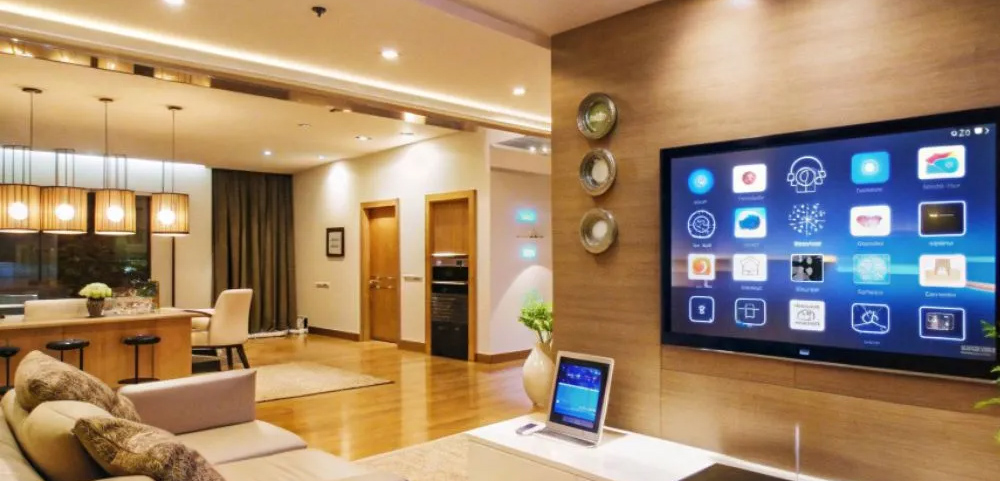
Smart Homes in 2025: A Seamlessly Connected Future
The year is 2025, and the concept of the "smart home" has moved beyond novelty to become an integral part of daily life. No longer a futuristic dream, smart homes are now about creating seamless, intuitive, and personalized living spaces. Let’s delve into what the landscape of smart homes looks like today.
In 2025, the integration of technology into our homes is more sophisticated than ever. It’s not just about controlling lights from your phone; it's about a holistic system that anticipates needs, enhances security, and promotes energy efficiency. From kitchen appliances to entertainment systems, everything is interconnected, creating a dynamic and responsive environment.
Key Trends Shaping Smart Homes in 2025
Several key trends are driving the evolution of smart home technology:
- AI-Powered Personalization
Artificial intelligence (AI) plays a pivotal role in understanding user preferences and learning routines. Smart home systems now automatically adjust lighting, temperature, and even entertainment based on individual schedules and habits. Predictive maintenance alerts help ensure appliances work efficiently, minimizing unexpected breakdowns.
- Enhanced Home Security
Smart security systems have gone far beyond simple doorbells and cameras. Advanced facial recognition, real-time alerts, and integrated emergency response features provide a comprehensive security net. Smart locks now use biometric data for entry, while advanced sensors detect unusual activity, like water leaks or smoke, alerting homeowners and emergency services quickly.
- Energy Efficiency and Sustainability
In the face of rising energy costs and environmental concerns, smart homes prioritize sustainability. Automated thermostats learn temperature preferences, adjusting heating and cooling to minimize energy wastage. Smart blinds and window film adjust based on sunlight, reducing the need for artificial lighting and air conditioning. Integrated solar panels and smart energy storage systems optimize energy usage and reduce reliance on the grid.
- Voice and Gesture Control
Voice-controlled assistants like Alexa, Google Assistant, and Siri have become central interfaces for managing smart home devices. Beyond simple commands, voice and gesture control allows for natural interactions with technology, making homes more user-friendly and accessible. Imagine adjusting your lights or setting the temperature simply by gesturing or talking.
- Seamless Connectivity
The connectivity ecosystem is robust and reliable in 2025, with advanced Wi-Fi 6E and 7 providing fast and stable connections. Smart home devices communicate seamlessly, regardless of manufacturer, ensuring smooth operations. Standards like Matter are crucial in enabling interoperability among devices, simplifying integration and management.
- Wellness-Focused Environments
Smart homes are no longer just about convenience; they also focus on wellness. Smart lighting adjusts color and intensity to support circadian rhythms, while air purifiers and monitors ensure healthy air quality. Sleep tracking systems and smart beds further enhance wellness, allowing for better rest and recovery.
The Evolution of Smart Home Devices
Specific devices have seen significant advancements:
- Smart Kitchens
AI-powered smart refrigerators suggest recipes, order groceries, and track expiration dates. Smart ovens preheat at the right time and use sensors to cook perfectly. Countertops function as touch-screen interfaces, providing recipes and entertainment.
- Smart Bathrooms
Smart showers personalize water temperature and pressure preferences while saving water. Mirrors display health data and news, while smart toilets offer personalized hygiene features. Voice control also adds convenience to the space.
- Smart Entertainment
Integrated multi-room audio systems provide seamless music experiences throughout the house, and personalized lighting schemes complement movie watching. Interactive displays allow for gaming and video conferencing while also serving as artwork when idle.
Challenges and Considerations in 2025
While the future of smart homes is bright, there are still challenges:
- Data Security and Privacy
As smart homes gather more personal data, concerns around privacy and security grow. Robust data encryption, ethical data handling, and transparent privacy policies are essential to maintaining trust.
- Cost of Adoption
Despite becoming more widespread, smart home technologies can still be expensive. Making these technologies more accessible to all homeowners remains a priority.
- Ease of Use
While smart systems aim for seamless integration, not everyone is technologically savvy. Designing user-friendly interfaces and simplifying management remains a priority.
The Future is Here
Smart homes in 2025 are not about gadgets; they are about creating responsive and intuitive environments that improve our lives. From energy efficiency to personalized wellness, these technologies are reshaping our living spaces to make them more secure, comfortable, and convenient. As technology advances, the concept of the smart home will continue to evolve, providing a truly connected future.
